
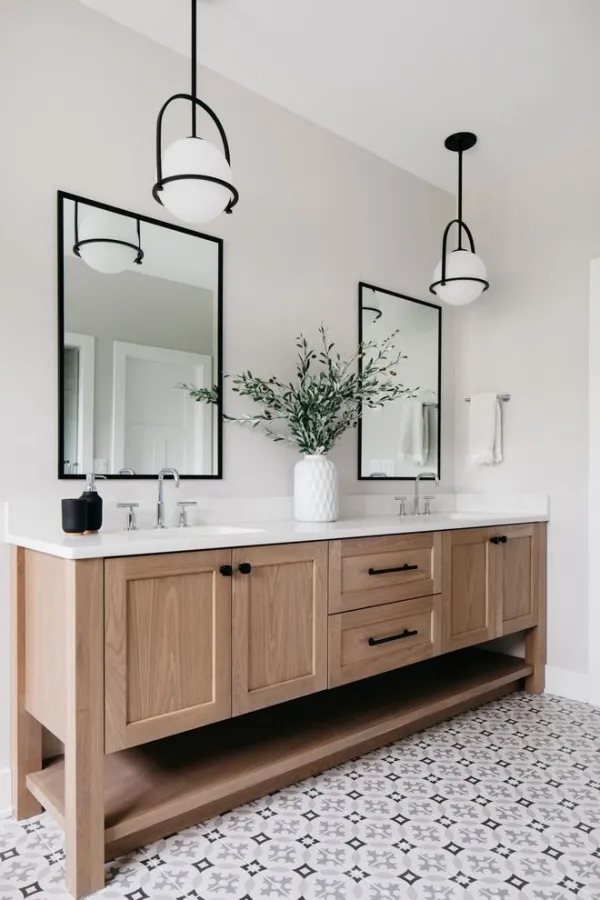
Choosing Materials for Your Remodel
Material selections shape your schedule as much as your budget. Here is the order to make them in, what runs long, and how to keep the project moving.
Your selections set the schedule
Homeowners usually assume a remodel timeline is about crew size and work days. It is mostly about decisions. Nearly every trade is waiting on a product that has to be picked, priced, ordered and delivered before anyone can install it. A kitchen does not stall because the carpenters are slow. It stalls because the cabinet order could not be released.
The sequence runs one direction. Cabinets are ordered off a final layout. Countertops are templated after the cabinets are set, not before. Tile has to be in the house before the tile setter arrives, and tile setters book out weeks ahead. One late decision at the front pushes every trade behind it.
That is why our preconstruction phase exists. The Pre-Construction Services Agreement covers permit-ready floor plans, coordination of your design and finish material selections, a detailed investment cost, a progress payment schedule and an estimated construction time frame. Selections get settled before the project is approved, and material is ordered while permits are being pulled. By the time we are protecting floors and hanging dust barriers, most of the decisions are already behind you.
Start with the three anchors
Decide the big three first: cabinets, countertop, tile. They carry the most visual weight, the longest lead times and the tightest dependencies. Everything else in the room reacts to them. Start with a faucet or a paint color and you will pick it twice.
Cabinets lead because both the layout and the order depend on them. Door style, finish, drawer configuration and where the tall cabinet lands all have to be settled before anything is released. Countertop is next, chosen against a real cabinet sample rather than a screen. Tile is third, and it gets easier once you have two fixed points to hold it against.
This order makes the process shorter, not longer. Once the cabinet and countertop are settled, most of the tile options rule themselves out. Constraint is what makes selections finishable.
Then fixtures, then the small stuff
Plumbing fixtures come next, and they matter earlier than most people expect. Your plumber needs the tub, shower base, shower valve and drain locations before rough-in, and rough-in happens behind walls that are about to close. A sink swapped later can mean a countertop cutout that no longer fits.
Lighting and electrical follow close behind, because fixture type affects box placement and switching. Doors, trim and windows belong here too if your project touches them. All of it wants to be settled before drywall.
Paint, cabinet hardware, mirrors and towel bars come last, and they should. They are inexpensive to change, easy to source, and far better chosen against materials already sitting in the room. Look at paint samples on your own walls, in your own light, at night as well as at noon.
What tends to run long
Lead times move constantly, so treat any number you hear as a snapshot rather than a promise. What stays stable is the ranking. Cabinets are almost always the longest item on a kitchen, and custom or semi-custom generally runs longer than stock. Appliances swing either way depending on the model.
Special-order tile, windows and exterior doors, and certain plumbing fixtures in specific finishes are the other usual offenders. Shower glass is late by design. It is measured after the tile is finished, so it cannot be ordered early.
We confirm current lead times with the supplier before finalizing a schedule, because a date built on last year's timing is not a date. If something you love runs long, we would rather find that out during design than three weeks into construction.
How the showroom appointments work
We do not hand you a catalog and wish you luck. You get a contact sheet organized by category, listing showrooms we work with regularly, nearly all of them a short drive from Farmington and spread across the south metro. Cabinets and hardware at Whole House Cabinetry in Rosemount. Countertops and sinks at RockSmith Granite and Quartz in Apple Valley. Plumbing fixtures at Ferguson, shower doors at Designed Glass and lighting at Southern Lights, all in Burnsville. Tile and stone at The Tile Shop and fireplaces at Fireside Hearth and Home in Eagan. Flooring at Galaxie Floor Stores in Apple Valley or Duffy's Hardwood Flooring in Lakeville. Appliances at Warner Stellian in Apple Valley. Doors, trim and windows at Dakota County Lumber in Farmington. Paint is the one stop that needs no appointment. Suppliers and reps change, so you get the current sheet during preconstruction.
Most of the others do want an appointment, and here is the detail that matters: tell the rep you are working with MDR when you book. That one sentence changes the visit. The rep knows the project is real, pulls product in the right category and price range, and can send specifications and pricing back to us instead of leaving you to relay it. We follow up on our end so the quotes land where they need to.
Then use the appointment well. Bring your plan, bring the samples you have already chosen, and photograph every tag with the full model number, not just the pretty part. Go in intending to decide rather than browse. A visit that ends with three finalists and no decision tends to cost you time.
One team keeping the pieces in agreement
Selections fail in the gaps between products far more often than on any single product. The sink is a half inch too wide for the base cabinet. The faucet has three holes and the sink is drilled for one. Tile, mortar and underlayment raise the floor enough that the door no longer swings. Those are not matters of taste. They are coordination problems.
That is what a design-build team is for. We design it and we install it, so the person checking that the pieces fit is the person who has to make it work on site. Clearances, mounting heights, rough-in requirements and finish combinations get checked across categories before anything is ordered.
Your selections then become part of the contract rather than a side conversation. Our agreement is made up of the plans, the specifications, the estimate, the selections and any approved change orders. What you chose is written down, so what gets installed is what you picked.
Where to spend and where to save
Spend on what you touch every day and on what is expensive to change later. Cabinet construction and drawer glides. The valve inside the wall. Floor prep and waterproofing behind the tile. The layout itself, which is the one thing you cannot buy back once the walls are closed.
Save on what is genuinely swappable. Cabinet pulls, light fixtures, mirrors, towel bars and paint can all be upgraded in an afternoon five years from now without demolition. There is little reason to buy at the top of the market for something you can change with a screwdriver.
Countertops and tile sit in the middle, and both have a useful trick. On tile, put the money into a small accent area and keep the field tile modest, because the eye goes to the accent anyway. On stone, ask what the fabricator already has in stock. A slab sitting on the floor in Apple Valley can come in under a special order, and it takes a lead time off your schedule.
Deciding together without stalling the job
Most stalls are not indecision. They are two people deciding at different speeds. Go to the appointments together when you can. If schedules will not allow it, agree ahead of time who owns which category, then actually let that person own it.
Give each category a target date. Our schedule hands you one whether you want it or not, because order dates are real and the south-metro trades we use are booked in advance. Deciding by Friday is a far easier task than deciding at some point.
Once a decision is made, let it be made. After material is ordered, any change runs through a written Change Order, which can affect the contract price, the completion date and the scope of work. That process protects you. It works best when it is used for real changes, not second thoughts about a tile you already liked.
Why a specified selection beats an allowance
An allowance is a placeholder. It is a dollar amount written into an estimate for something not yet chosen, so the estimate can be totaled before you have picked. The practice is common and not dishonest. It is simply not a price.
The problem surfaces later. Allowances get set before anyone knows what you like, and taste tends to run above them. You find out the number was low mid-construction, when the money conversation is least welcome and the schedule has no room. A project that starts with a long list of allowances is a project with an unknown final cost.
A fully specified selection is the opposite. Actual products, actual model numbers, actual quantities, real quoted pricing. That is what our preconstruction phase is built to produce: plans and selections finished first, then a detailed investment cost and a progress payment schedule built on them. The estimate you approve reflects what you actually chose, which is what gives the number a real chance to hold.
Answered.
How long does the material selection process take?
Do I have to use the showrooms MDR recommends?
Why do most showrooms require an appointment?
What is an allowance in a remodeling estimate?
Can I buy my own fixtures and have MDR install them?
What happens if something I picked ends up backordered?
More remodeling guides.
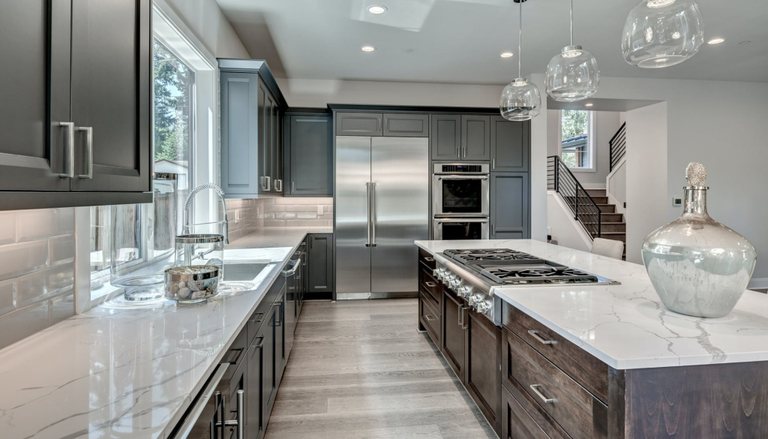
Twin Cities Remodeling Cost Guide
What kitchens, baths, basements and additions actually run in the south metro, and what moves the number.
Read the Guide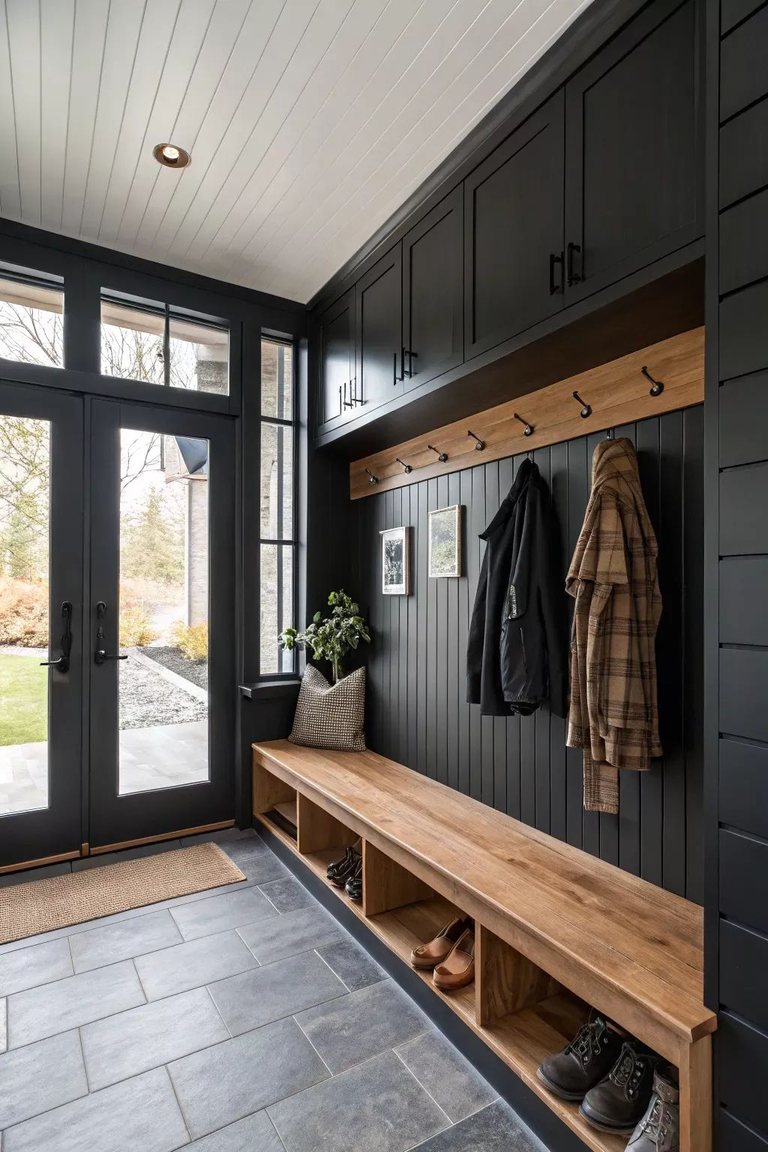
How Long a Remodel Takes
Phase by phase, from the first call to the final walkthrough — and what makes a schedule slip.
Read the Guide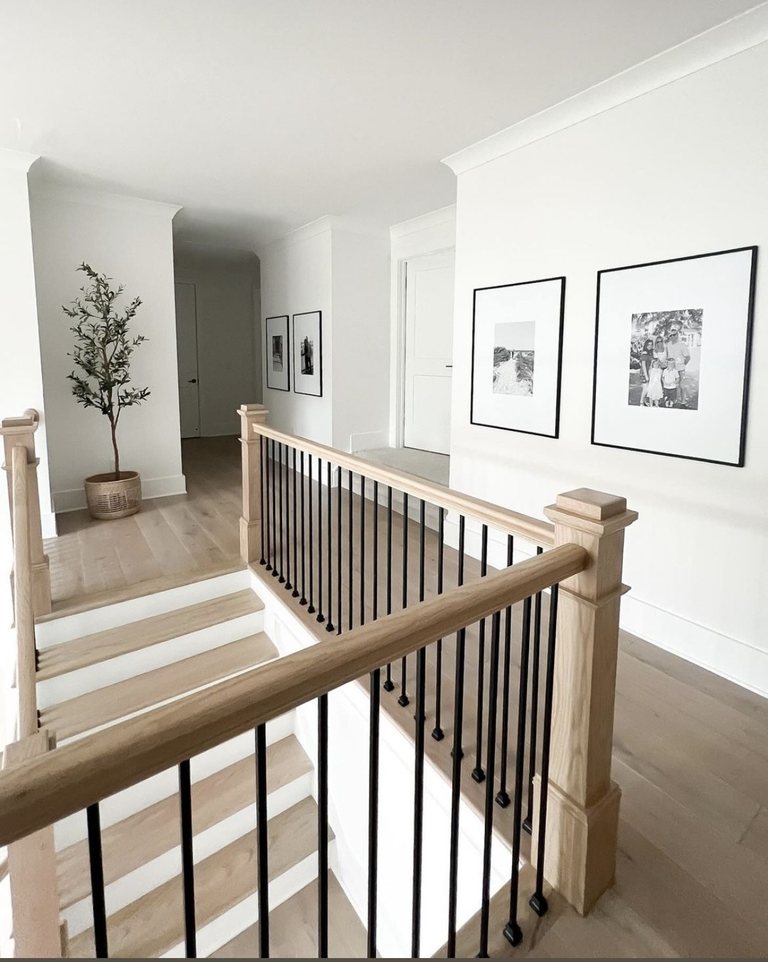
Living Through a Remodel
Dust, noise, work hours and kitchen workarounds — what it is actually like day to day.
Read the GuideWhere selections matter most
Cabinetry, tile, counters and fixtures — chosen with the people who will install them.
Ready to start your project?
Book a free consultation and let’s talk it through. No pressure, no obligation.