
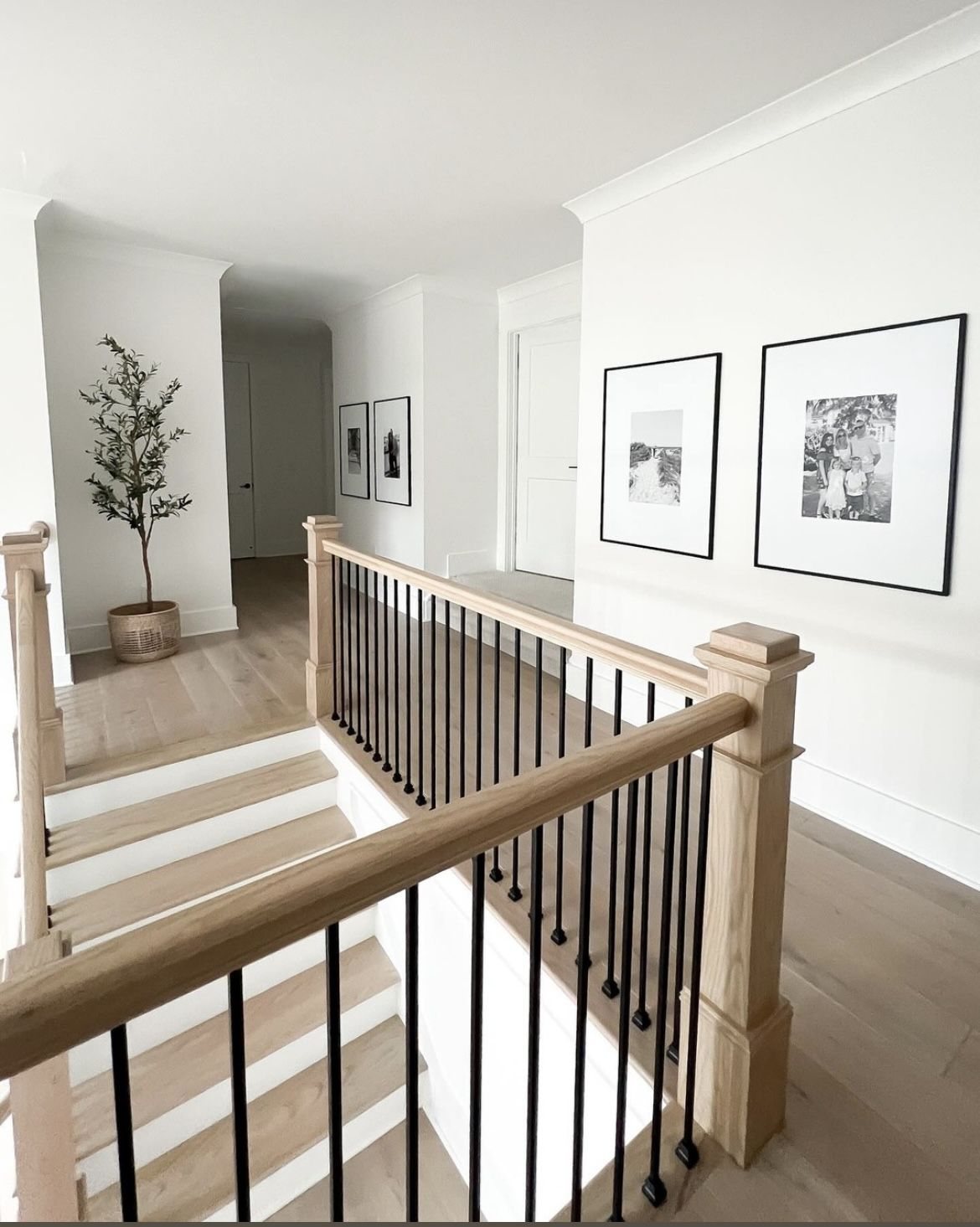
Living Through a Remodel: What It's Actually Like
Dust, noise and vibration come with remodeling, so here is what actually happens week to week, what MDR does about it, and how to keep your household running.
Start With the Honest Part
Remodeling is disruptive. There is no version of tearing out a kitchen or framing an addition that is quiet, clean and invisible. MDR's construction agreement says it in plain language: due to the nature of remodeling, dust, vibration and noise are unavoidable. That line is in the contract on purpose. A contractor who tells you that you will barely notice is not being straight with you.
Disruption is manageable when it is planned for. Most homeowners stay in the house through a kitchen, bath or basement project, whether they are in Farmington, Apple Valley or Eagan. Whole-home remodels and large additions are where people more often move out for part of the schedule. Either way the goal is the same: know what is coming before it arrives.
What follows is the version we would give a friend: what the dust does, which rooms go offline, what mornings look like without a kitchen, and the stretch in the middle when the house looks worse than when you started.
How the Dust Is Actually Controlled
Dust is the first thing homeowners ask about, and it gets the most effort up front. Before demolition, MDR lays floor protection along the path crews walk, builds dust barriers to seal the work area off from the rest of the house, and covers HVAC registers so debris is not pulled into your ductwork. Adjacent finishes get protected too, because a lot of remodeling damage happens in the hallway rather than the room being built.
Inside the barrier we run air scrubbers, filtration units that pull airborne dust out of the air before it can travel. Crews clean up at the end of every workday. If your home predates 1978 there is another layer to it. MDR is EPA Lead-Safe Certified, which matters because older homes call for extra containment and cleanup whenever painted surfaces get disturbed.
None of that makes a remodel dustless. Fine drywall dust finds gaps, and you will wipe surfaces you did not expect to wipe. Keep bedroom doors shut, plan on a furnace filter change when the project wraps, and budget separately if you want a deep clean. Our contract covers a final cleanup at completion. Professional cleaning is not included unless we specifically wrote it in.
Noise and the Shape of the Workday
MDR's construction hours are 7am to 5pm, Monday through Friday, and that is written into the construction agreement. Crews tend to arrive at the early end of that window, and you will hear truck doors before you hear tools. If a morning needs a later start because of a newborn or a night shift, tell us early and we will tell you straight what the schedule can absorb.
The loudest days are usually front-loaded. Demolition, concrete cutting, framing and tile work carry real noise and vibration you feel through the floor. Plumbing and electrical rough-in are quieter but involve constant movement through the house. Drywall, trim and paint are the calm end. Ask your point of contact which week the loud phases land.
If you work from home, plan for it honestly. Take important calls from the far end of the house, or leave for a few hours on demolition day. Remote work and remodeling coexist fine on most days and not at all on a few. Knowing which is which is the trick.
Which Rooms and Utilities Go Offline
The work area is off limits to your household for the duration. That is a safety matter, not a preference: open floors, live circuits and tools. For a kitchen, plan on losing the room from demolition until countertops are in and appliances are set. For a bathroom, it is out from demo through final plumbing trim.
Utility interruptions are shorter and scheduled. Water is normally off for part of a day when plumbing is tied in, and specific circuits go down while electrical work happens. You get told in advance. Whole-house shutoffs are the exception, and furnace or water heater work gets planned around the weather, which matters in a Minnesota winter.
Basements and additions usually disrupt daily life less, because the work zone sits apart from where you live. Additions have one wrinkle. There is normally a stretch where an exterior wall gets opened up, and the timing of that is a weather conversation we walk you through beforehand.
Living Without a Kitchen or a Bathroom
Set up a temporary kitchen before demolition day, not after. A folding table, the microwave, a coffee maker and a slow cooker carry you further than you think. If the refrigerator is staying, move it to the garage, dining room or basement and confirm the circuit holds before the crew arrives.
Wash dishes in a bathroom or utility sink and use paper plates without guilt. Budget for takeout, because most families underestimate that line badly. Ask us for a realistic read on when the sink and range come back online. That is usually the day life starts feeling normal again.
For bathrooms, the question is how many you have. A second full bath makes a bathroom remodel almost easy. A single-bathroom house is a different project, so talk to us early about sequencing and be honest about whether staying with family through the tile and plumbing stretch beats toughing it out.
Kids, Pets, and Everyday Safety
Securing pets is your responsibility under our contract, and it is the item homeowners most often underestimate. Doors get propped open for material runs. A dog that has never left the yard will walk out a patio door in the first ten minutes of demolition day. Crate, gate, a back bedroom or daycare on the loud days, and commit to it.
Kids need the same clarity. Make it plain that the work area is off limits even when it looks empty at five o'clock, because tools, cords and materials get staged overnight. Crews keep the site tidy, but a jobsite is never a playroom. Younger kids handle it better if they walk the space with you at the end of a workday.
Parking, Dumpsters, and Deliveries
Crew trucks and trailers need somewhere to park, usually the street or one side of the driveway. On day one, tell us which spot you need kept clear for your own vehicles and school pickup. Some south metro cities have parking restrictions or seasonal rules, and we work within whatever your city requires.
Most projects with real demolition need a dumpster on site, normally in the driveway on protection so the surface does not get chewed up. It arrives before demo and gets hauled as it fills. Material deliveries land on scheduled days and need clear access, whether that is cabinets, tile, or doors and trim from Dakota County Lumber down the road in Farmington.
If your home is in an association, HOA approvals are your responsibility unless we specifically included them, so check dumpster placement, work hours and exterior changes with them early. MDR obtains the required building permits. Your city sets its own permit and inspection requirements and confirms the specifics when the permit is issued.
What to Clear Out, and Who Has Access
Under our contract you clear the work area of furniture, wall hangings and personal belongings before construction starts. Go past the strict boundary. Vibration travels through framing, so take pictures and mirrors down in adjacent rooms too, and empty the cabinets above and below a kitchen that is coming out. Box anything fragile and move it well away.
You also need to provide clear access to the electrical panel and the water main shut-off. That matters more than it sounds. If a supply line has to be shut down fast, nobody should be moving storage bins to reach a valve. Clear a straight path to both before the start date.
Most homeowners give us a lockbox code or a key so crews are not waiting on them, but that is your call. Either way, expect to know who is in your house. MDR is family-owned and locally owned, licensed in Minnesota under BC694036, and you get regular updates and one clear point of contact. If a name is unfamiliar, ask.
The Middle, When It Looks Worse Before It Looks Better
Most projects have a low point, and it tends to land in the same place. Demolition is done, the excitement has worn off, and you are living with studs, wire, pipe and plastic sheeting. Nothing visible changes for days because the work is rough-in and inspections. That is normal, not a sign the project is going badly.
Two things carry you through it. The first is information, meaning regular updates and one point of contact so you know what is happening this week. The second is that changes run through a written Change Order, so if you move a wall or upgrade tile mid-project, the cost and schedule impact get approved in writing first.
Then it turns. Drywall goes up and the room reappears. Cabinets land, countertops get templated and installed, trim and paint pull it together. At the end we walk the whole project with you and address the punch list, and MDR warrants its workmanship for one year from substantial completion. The disruption is temporary. What you get out of it is not.
Answered.
Can I live in my house during a kitchen remodel?
How do you keep construction dust out of the rest of the house?
What hours will crews be at my house?
What do I have to do before construction starts?
Will my water or power be shut off during the project?
Where does the dumpster go, and will I lose my driveway?
More remodeling guides.
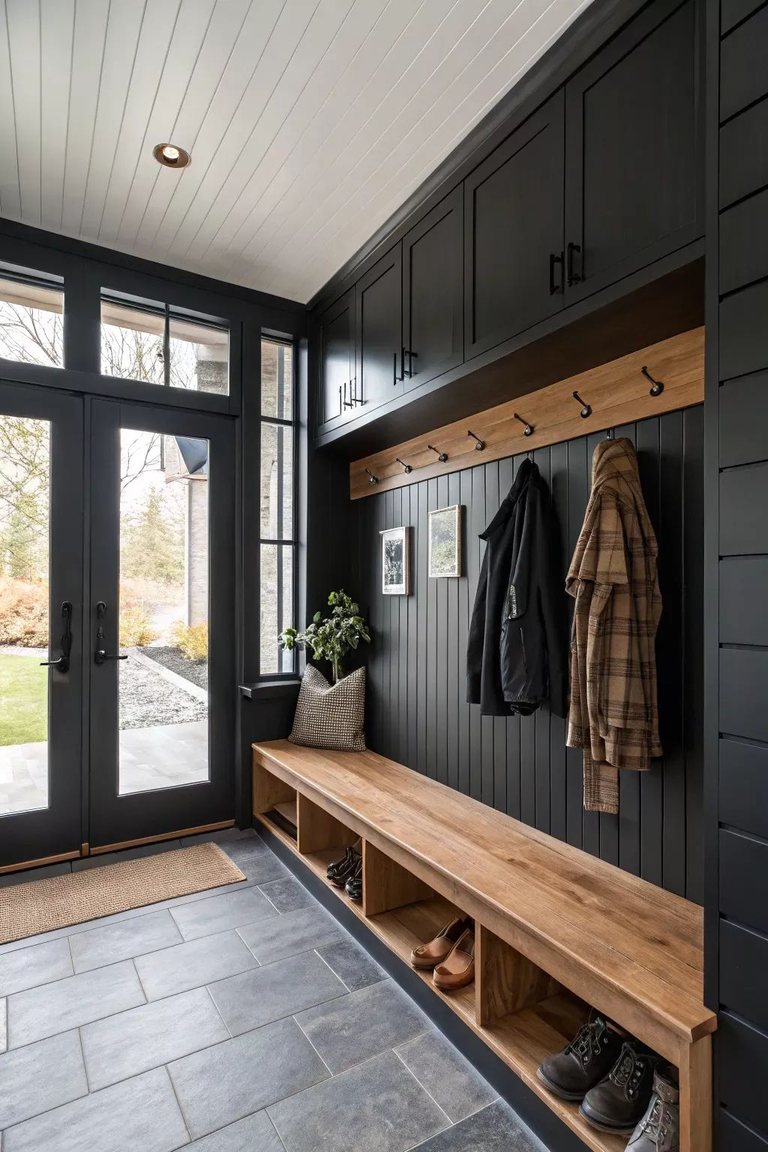
How Long a Remodel Takes
Phase by phase, from the first call to the final walkthrough — and what makes a schedule slip.
Read the Guide
Choosing Materials
What to pick first, how lead times drive your schedule, and where allowances go wrong.
Read the Guide
Twin Cities Remodeling Cost Guide
What kitchens, baths, basements and additions actually run in the south metro, and what moves the number.
Read the GuideHow we keep it livable
Dust control, staging and scheduling are part of the plan, not an afterthought.

Ready to start your project?
Book a free consultation and let’s talk it through. No pressure, no obligation.